



Spray Foam vs Fiberglass: What’s Best for Atlanta Attics in 2026?

Spray Foam vs Fiberglass: What’s Best for Atlanta Attics in 2026?
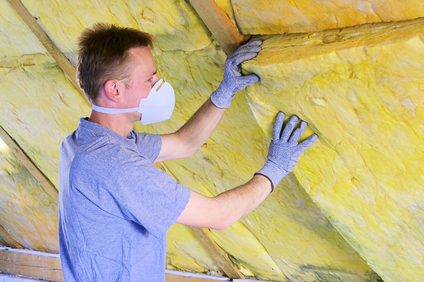
Choosing between spray foam and fiberglass insulation is one of the most common questions homeowners ask when upgrading their attic. With Atlanta’s hot summers, occasional winter cold snaps, and high humidity, the type of insulation in your attic plays a major role in energy efficiency and indoor comfort.
Understanding the differences in performance, cost, and moisture control can help determine the best attic insulation for Atlanta homes. In this guide, we’ll compare spray foam vs fiberglass attic insulation and explain how each option performs in North Georgia houses.
At Southeastern Insulation, we help homeowners across the Atlanta metro area evaluate insulation upgrades that improve comfort, air quality, and long-term energy savings.
Why Attic Insulation Matters in Atlanta’s Climate
Atlanta homes experience a mix of intense summer heat, high humidity, and fluctuating seasonal temperatures. These conditions make attic insulation especially important for controlling heat transfer and preventing moisture buildup.
During summer, attic temperatures can climb well above 120°F. Without proper insulation, that heat transfers into living spaces below, forcing HVAC systems to work harder. In winter, poorly insulated attics allow warm air to escape, leading to higher energy costs and colder rooms.
Choosing the right insulation material helps maintain stable indoor temperatures and improves overall home efficiency.
Understanding Fiberglass Attic Insulation
Fiberglass insulation has been widely used in residential construction for decades. It is commonly installed in batts or blown-in form and works by slowing the movement of heat through trapped air pockets.
Many Atlanta homes built in the 1990s and early 2000s still rely on fiberglass insulation in their attics.
Common benefits of fiberglass insulation include:
- Lower upfront installation cost
- Widely available and easy to install
- Effective thermal resistance when properly installed
- Good option for topping off existing insulation
However, fiberglass does not create an air seal. Gaps, cracks, and penetrations around wiring, ductwork, and framing can still allow hot, humid air to move through the attic.
How Spray Foam Insulation Works
Spray foam insulation is applied as a liquid that expands and hardens, forming a continuous insulating barrier. Unlike fiberglass, spray foam both insulates and seals air leaks.
This dual function makes it particularly effective in climates like Georgia, where humidity and air infiltration often impact home comfort.
Two common types of spray foam are used in attics:
- Open-cell foam – lighter material that expands significantly and works well for air sealing
- Closed-cell foam – denser foam that provides higher insulation value and added moisture resistance
Many homeowners exploring closed cell foam insulation consider it for improved durability and structural strength.
Spray Foam vs Fiberglass in Georgia Attics
When comparing insulation types, performance differences become more noticeable in humid climates like North Georgia.
Here is how the materials typically compare:
- Air sealing: Spray foam seals gaps and cracks, while fiberglass does not.
- Moisture resistance: Spray foam helps limit moisture movement, whereas fiberglass can absorb humidity.
- Energy efficiency: Spray foam generally provides higher efficiency because it reduces air leakage.
- Cost: Fiberglass is less expensive upfront but may offer lower long-term performance.
- Longevity: Spray foam tends to maintain its effectiveness longer without settling.
For homeowners comparing spray foam vs fiberglass attic insulation, the decision often comes down to budget, energy goals, and the condition of the existing attic.
When Fiberglass Makes Sense for Atlanta Homes
Fiberglass insulation can still be a practical choice in certain situations.
It may work well if:
- Your attic already has decent air sealing
- You want a cost-effective upgrade to meet current insulation levels
- You are adding blown-in insulation over existing material
- Your home does not experience significant humidity problems
In many Atlanta homes, adding more fiberglass can improve insulation performance without major renovation.
When Spray Foam Is the Better Option
Spray foam insulation is often chosen when homeowners want a more comprehensive efficiency upgrade.
Situations where spray foam may be the better solution include:
- Homes with high energy bills caused by air leakage
- Attics with ductwork that need better temperature control
- Properties experiencing humidity or moisture issues
- Older homes with irregular framing or air gaps
Because it seals air leaks and insulates at the same time, spray foam can significantly improve overall attic performance.
Energy Efficiency Benefits for North Georgia Houses
Attic insulation upgrades can reduce energy loss throughout the home. For many homeowners, this leads to improved comfort and lower monthly utility costs.
Key benefits of upgrading attic insulation include:
- Reduced heat transfer during Atlanta’s hot summers
- Improved HVAC efficiency and longer equipment lifespan
- More consistent indoor temperatures throughout the home
- Better control of humidity and air leakage
Homes with properly insulated attics often experience fewer hot and cold spots between floors.
Cost Considerations for Attic Insulation
Budget is often a major factor when comparing insulation materials.
Fiberglass typically has a lower installation cost, making it appealing for homeowners seeking a quick improvement. Spray foam, while more expensive upfront, can deliver stronger energy savings over time due to its air sealing capabilities.
The long-term value of either option depends on your home’s existing insulation levels, attic ventilation, and overall energy efficiency goals.
Which Attic Insulation Is Best for Atlanta Homes?
The best insulation choice depends on your home’s construction, attic layout, and comfort priorities.
- Fiberglass works well for simple insulation upgrades and budget-friendly improvements.
- Spray foam offers higher performance for homes dealing with air leakage and humidity challenges.
- Some homes benefit from a combination of air sealing and additional fiberglass insulation.
A professional attic inspection can help determine which solution will provide the greatest benefit.
Attic Insulation Trends for 2026
Many Atlanta homeowners are focusing on energy efficiency upgrades in 2026 as utility costs continue to rise. Modern insulation strategies often combine air sealing, improved ventilation, and higher-performance materials.
As building standards evolve, homeowners are increasingly comparing spray foam vs fiberglass in Georgia attics to find the best balance between cost, comfort, and energy savings.
Planning an Attic Insulation Upgrade
If your home feels too hot in summer or struggles to stay warm in winter, attic insulation may be the missing piece. A thorough inspection can identify air leaks, insulation gaps, and ventilation issues affecting performance.
Exploring insulation options early can help homeowners create a more comfortable, energy-efficient home while protecting the structure from long-term moisture problems.

















Comments