



Open-Cell Spray Foam for Attics in Atlanta, GA: Pros, Cons, and When It’s the Best Choice

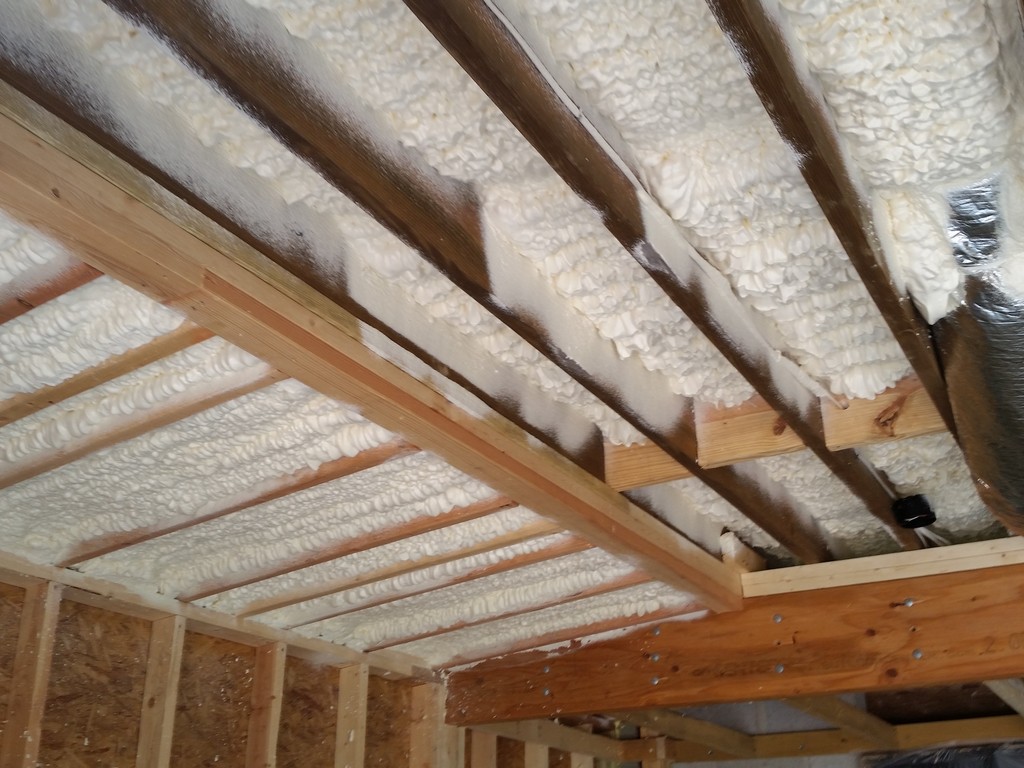
Atlanta summers are hot and humid, and even our mild winters can reveal drafty rooms and uneven temperatures. Many homeowners ask if open-cell spray foam in Atlanta, GA is the right way to tame attic heat and fix comfort issues. In this guide, you will learn the real pros and cons, when to choose the roof deck vs the attic floor, how to think about humidity, and the best times to use it to solve hot spots. If you want a deeper dive or next steps, you can also review our local overview of open-cell spray foam services.
What Is Open-Cell Spray Foam for Atlanta Attics?
Open-cell spray foam expands to fill cracks and gaps, then cures into a soft, air-sealing layer. It is excellent at stopping air leaks and muffling sound, which makes it popular for attic rooflines, bonus rooms, and interior walls across neighborhoods like Decatur, Brookhaven, and Sandy Springs.
Compared to closed-cell foam, open-cell has a lower density and allows more water vapor to move through. That can be fine in many attic assemblies when paired with a smart plan for airflow and moisture control. The result is a quieter, more even home where your HVAC does not have to fight a 130-degree attic in July.
Roof Deck vs. Attic Floor: How to Choose in Atlanta
Homeowners usually face two choices for attics: insulate the attic floor and keep a vented attic, or insulate the roof deck and create a conditioned, unvented attic. Open-cell foam is commonly used at the roof deck because it expands to seal odd shapes around rafters and valleys. If you need higher insulation per inch or tougher moisture control for certain areas, pairing with or evaluating closed-cell spray foam can be wise for those spots.
- Attic floor: keeps ducts in a hot attic unless equipment is moved; simpler approach for quick energy improvements.
- Roof deck: brings the attic inside the thermal envelope so ducts and air handlers work in milder conditions; better comfort in finished spaces.
Avoid insulating both the roof deck and attic floor without a clear plan. Trapping parts of the attic between two insulated layers can create moisture and temperature problems. Your project should choose one approach for the whole attic unless a pro designs specific transitions.
Pros of Open-Cell Spray Foam in Attics
In real Atlanta homes, benefits show up fast, especially in top-floor rooms and finished attics over garages in Smyrna, East Atlanta, or Marietta.
- Strong air sealing that reduces drafts and evens out room-to-room temperatures.
- Great for sound control near busy roads like I‑285 or GA 400.
- Expands to fit complex framing, valleys, and dormers found in older bungalows and modern rooflines.
- Creates a conditioned attic so your HVAC and ductwork live in milder temperatures.
When installed at the roof deck, many families notice fewer hot ceilings in late afternoon and a steadier thermostat in bedrooms and bonus rooms.
Potential Drawbacks and Humidity Considerations
Open-cell foam is more vapor-permeable than closed-cell. That means you need a plan that manages moisture along with air and heat. In Atlanta’s humid summers, a conditioned attic may need measured airflow, dehumidification, or both, depending on the home’s design and how you use the space.
Manage humidity in sealed attics, especially from May through September. Your installer should verify target humidity levels and ensure the attic is connected to the home’s conditioned air strategy so moisture does not build up after afternoon storms. Also, professional installation matters. Consistent thickness, clean transitions at edges, and proper coverage around penetrations are key for performance.
When Open-Cell Is the Best Choice Around Atlanta
Open-cell shines when you have generous cavity depth and want top-tier air sealing with sound control. Great fits include:
- Roofline of a finished attic or bonus room over a garage in Brookhaven or Smyrna.
- Primary suites under sloped ceilings in Virginia‑Highland or Candler Park.
- Media rooms where noise control matters.
- Homes with complex framing where expansion helps cover every nook.
If you are comparing materials, this short read can help you compare open-cell and closed-cell spray foam in plain language. It explains how to match the foam type to each area of the home so you get the comfort you want without overdoing material where it is not needed.
Roof Deck vs. Attic Floor: Real-World Scenarios in Atlanta, GA
Think about your goals, then choose the assembly that lines up:
If comfort hot spots are your main pain in rooms under the roof plane, insulating the roof deck usually wins. You bring the whole attic inside the thermal boundary, which calms temperature swings and protects ducts from extreme heat. Families in Buckhead and Midtown often notice top-floor temperatures stop yo-yoing on July afternoons.
If you do not use the attic for storage and your HVAC is already in conditioned space, insulating the attic floor can still deliver a clear gain. It is a simpler approach that targets heat transfer through the ceiling while keeping a vented attic above. Your contractor should air seal at the ceiling plane before insulating to avoid hidden leaks that feed hot spots.
How to Solve Comfort Hot Spots With Open-Cell Foam
Hot spots come from air leaks and heat riding up to the top floor. Knee walls, tricky dormers, and the area where walls meet the roof can leak like a colander. Open-cell foam helps by expanding into those odd shapes and sealing the paths that let hot, humid air sneak in. The result is steadier temperatures from morning to night, even during August heat waves.
Bonus rooms over garages in places like Decatur or Sandy Springs are classic hot-spot zones. Sealing the roofline and the short walls, while addressing transitions at floors and soffits, closes the loop. It is common to see cooler second floors, fewer “always hot” corners, and quieter spaces after the upgrade.
Moisture, Roof Leaks, and Long-Term Peace of Mind
Open-cell foam makes it easier to notice a roof leak because water can move through the foam and show up as a visible stain instead of staying trapped. That visibility helps you act sooner. Still, schedule routine roof checks after big storms so small issues never become large ones. Your installer should leave the assembly neat and consistent, with clean transitions where foam meets walls, valleys, and skylight curbs.

















Comments