



Closed-Cell Spray Foam for Basements and Crawl Spaces: When It Pays Off

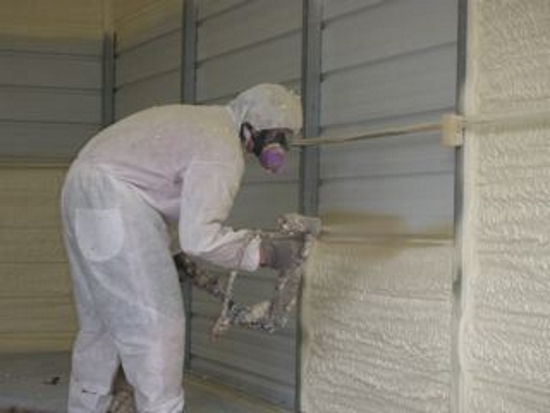
Atlanta homes fight humid summers, clay-heavy soil, and surprise downpours. That mix can push moisture into basements and crawl spaces. When you need a tight air seal, high R-value per inch, and a water-resistant barrier, closed-cell spray foam is often the right call.
Closed-Cell Spray Foam in Atlanta: The Short Answer
Closed-cell spray foam is a dense, rigid insulation that locks out air and slows vapor. Think of it like a tough shell that adds insulation and extra stiffness to the surfaces it covers. In basements and crawl spaces around Grant Park, Decatur, Buckhead, and West Midtown, it shines where space is tight and moisture is common.
What Closed-Cell Spray Foam Does in Damp Spaces
Basements and crawl spaces are the first places to feel Atlanta’s sticky air. Closed-cell foam creates an air seal and a built-in moisture barrier at typical thicknesses, which helps protect framing, subfloors, and mechanicals. The higher R-value per inch helps where joist bays are shallow or headroom is limited.
- Strong air seal that helps reduce musty odors moving into living areas
- High R-value per inch, useful when you cannot add thick layers
- Rigid, durable surface that resists bulk water better than many materials
Fix liquid water first, then insulate. Foam is a finishing layer for a dry, controlled space.
When It Pays Off In Atlanta, GA Homes
Closed-cell spray foam tends to deliver the best return in the following cases:
- Moist or flood-prone lower levels near creeks or low-lying yards
- Short rim joists and tight bays where every inch of R-value counts
- Slab-on-grade homes with cold floors over short winter snaps
- Homes with musty odors or sweating ducts in the crawl space
In these spots, the combination of moisture control and thermal performance often improves comfort quickly. Homeowners in Kirkwood or Virginia‑Highland, for example, report warmer floors, steadier humidity, and fewer drafts after professional installation.
Basements vs. Crawl Spaces: Key Differences
Basements often have more wall area and can benefit from insulating the perimeter walls to manage ground contact. Crawl spaces usually need a strategy that treats the floor above, the foundation walls, or both. In either case, address drainage and leaks before any insulation to keep results reliable.
Moisture Control, Flooding, and Real-World Expectations
Closed-cell foam resists water better than many insulation types and does not easily absorb moisture. After a minor water event, a professional can inspect, dry, and sanitize the area as needed. If your home sits in a spot that sees repeated water intrusion, pair foam with grading, gutters, and interior or exterior drainage so the space stays dry long term.
Never spray over active leaks, visible mold, or standing water. A clean, dry substrate is essential for adhesion and long-term performance.
Why R-Value Per Inch Matters Under Your Feet
Many Atlanta homes have shallow joist cavities or tight utility runs. Closed-cell foam packs more insulation into less space, which helps reduce heat loss to the ground. The result is steadier temperatures across the main level and a break in that chilly-floor feeling during winter cold snaps.
Air Sealing Benefits You Can Feel
Even small gaps around rim joists and sill plates can pass a lot of air. Sealing those cracks with closed-cell foam helps your HVAC hold set temperatures with less effort. Homeowners often notice quieter rooms, fewer drafts, and more consistent humidity once the leaks are sealed.
Pairing With Crawlspace Encapsulation
For many homes, the best results come from combining foam with a sealed, conditioned crawl space. If your space needs a vapor barrier, drainage mat, and sealed vents, explore professional crawlspace encapsulation. The two systems work together so your insulation stays dry and effective.
Basement Walls, Rim Joists, and Subfloors
Where you place the foam depends on the problem. Rim joists are common leak points and respond well to targeted closed-cell applications. Basement foundation walls may need continuous coverage to separate the living space from cool, damp concrete. Subfloors above vented crawl spaces can benefit when space is too tight for thick batts.
Comparing Foam Types for Lower Levels
Open-cell foam is excellent for sound control and air sealing in many parts of the house. In basements and crawl spaces that see damp conditions or tight headroom, closed-cell usually wins because it combines a strong air seal with moisture resistance and higher R-value per inch. Your installer can recommend the right type for each surface.
Local Conditions to Keep in Mind
Atlanta’s red clay holds water after heavy rain. Homes near creeks like Peachtree Creek or low-lying yards can see periodic moisture pressure on walls. Plan upgrades in spring or fall when scheduling is flexible, and allow time to verify that gutters, downspouts, and grading move water away from the foundation.
Health, Safety, and Smart Sequencing
Professional installers stage the work to protect indoor air quality. That includes surface prep, ventilation during application, and re‑entry timing based on the product used. Keep fuel‑burning appliances vented and tested by pros when you upgrade tightness in lower levels to maintain proper combustion safety.
What Homeowners Often Notice After Installation
Comfort improves first. Floors feel steadier, rooms smell fresher, and the home holds temperature longer. Over time, many homeowners also report fewer pests sneaking in through gaps, quieter first floors, and less condensation on ducts in summer.
A Quick Example From Around Town
A 1950s ranch in East Atlanta with a musty crawl space had shallow joist bays and old vents. By sealing rim joists and insulating subfloors with closed-cell foam, then managing ground moisture, the main level stabilized and odors dropped. The foam’s rigid surface also stood up well to maintenance foot traffic.
How To Get The Best Outcome
Start with a full assessment, not just a quote. A pro will check humidity, look for seepage lines, and note air leaks at rim joists and penetrations. If encapsulation or drainage is needed, they will sequence those steps before spraying so the foam protects a dry, controlled space.
Related Services That Work Hand in Hand
If an inspection finds heat loss paths in other rooms, consider a whole‑home plan. Services like thermal scanning can pinpoint missed gaps and guide targeted fixes. When you are researching options, the best place to start is learning the basics of closed cell spray foam in atlanta and how it fits your home.
Ready To Evaluate Your Basement or Crawl Space?
Talk with the local team at Southeastern Insulation. For moisture control, high R-value per inch, and better comfort underfoot, we can help you decide where closed-cell makes the most sense. To get started, call 678-561-3626 or learn more about our closed-cell spray foam service today.

















Comments