



Thermal Imaging Home Inspection: What It Finds and Why It Matters Before Insulating

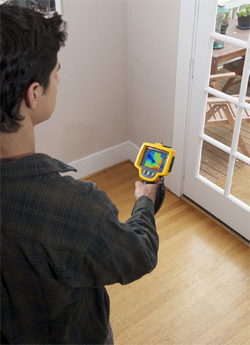
Before you add insulation to your Atlanta home, a thermal imaging home inspection shows what your eyes cannot. An infrared camera picks up temperature patterns that point to hidden air leaks, missing or thin insulation, and moisture that could damage your home. When you pair insulation planning with a professional thermal imaging inspection, you set the project up to deliver real comfort and energy savings instead of guesswork.
Atlanta’s climate is a test. Summers bring high heat and humidity, and winter cold snaps can still push drafts through older bungalows in Grant Park, Kirkwood, and Decatur, as well as newer builds around Roswell and Sandy Springs. A targeted scan helps Southeastern Insulation pinpoint which areas need attention before our crews install insulation, so your upgrade tackles the root causes, not just the symptoms.
What Thermal Imaging Reveals In Atlanta Homes
Infrared thermography reads surface temperatures and translates them into color images. Warm colors can show heat moving where it should not, and cool colors can reveal places where conditioned air is escaping. Interpreted by trained pros, those patterns map directly to the work your insulation project needs.
- Hidden air leaks around windows, doors, top plates, can lights, and pull-down attic stairs
- Missing, thin, or displaced insulation in attics, knee walls, and behind bathtubs or fireplaces
- Moisture clues in ceilings, exterior walls, or crawl spaces that deserve further evaluation
- Draft paths from unsealed chases, soffits, and utility penetrations
These findings guide smarter material choices and sequence. If a scan shows attic bypasses and open chases, air sealing should come first. If it highlights thin insulation on knee walls or bonus rooms over garages, dense-pack or foam solutions may be the right answer. And if moisture shows up, that area needs to be addressed before any insulation goes in.
How A Thermal Imaging Inspection In Atlanta Saves You From “Covering Problems”
Insulation improves comfort and reduces energy costs. Yet adding it over leaks or damp materials can trap problems and reduce performance. A scan prevents that. In older ranches across East Lake and Smyrna, we often see attic insulation thinned by wind washing at the eaves. Without a scan, new insulation might be blown over the weak spots, while the leaks at the baffles remain. The camera helps us confirm where air is getting in so sealing and baffle adjustments happen before the insulation step.
Likewise, in crawl-space homes around Decatur and West End, thermal patterns on subfloors and lower walls can hint at moisture or ventilation issues. That is a red flag to inspect that area further and, if needed, coordinate solutions like improved drainage or encapsulation rather than insulating over damp wood. When the picture is clear, the plan is clear.
What Your Inspector Looks For Room By Room
During a thermal imaging visit, your technician moves through the home in a set pattern. Each space tells a different story:
- Attic and roof deck: temperature streaks that reveal wind washing, thin batts, or gaps at can lights and attic hatches
- Exterior walls: cooler vertical bands that suggest missing bays, especially around corners, tub surrounds, and fireplaces
- Windows and doors: cold outlines and streaks indicating poor weatherstripping or unsealed casing
- Ceilings below unconditioned spaces: temperature differences that point to voids, especially in vaulted ceilings
- Crawl spaces: cooler wall and floor areas that suggest moisture movement or uninsulated rim joists
Images do not stand alone. Our team verifies suspicious areas with visual checks and moisture meters as needed. **Moisture concerns are always addressed before insulating** to protect your home and your investment.
From Scan To Scope: Turning Findings Into The Right Insulation Plan
The best part of an infrared scan is how it sharpens your project scope. Here is how typical findings translate into action:
Air leaks at the top of the house. We prioritize sealing top plates, chases, and penetrations in the attic before adding insulation. Pairing this with airflow improvements supports a whole-home strategy and aligns well with our total home efficiency approach.
Missing insulation in walls or knee walls. Targeted dense-pack cellulose or spray foam can fill cavities and stop drafts where they start. In bonus rooms over garages found across Roswell and Alpharetta, knee wall fixes are often the breakthrough.
Moisture signatures in ceilings or lower walls. We document the location and conditions, then recommend further investigation. If the cause is linked to crawl-space humidity, encapsulation or drainage improvements are considered before any insulating begins.
Hot, humid Atlanta summers create big temperature differences that make thermal patterns easy to spot. For the clearest results, schedule scans during early morning or after sunset when outdoor and indoor temperatures contrast more. This simple timing choice often leads to faster, more accurate findings.
Why Timing Matters Before You Insulate
Insulation projects in Atlanta often ramp up before the first long heat wave or ahead of winter cold snaps. A thermal scan first means your install day is focused and efficient. It can reduce change orders and callbacks because the work targets the problems uncovered by the camera. That is how you go from “hoping” the attic upgrade will fix uneven rooms to being confident it will.
If you have already noticed trouble spots in Buckhead or Midtown, such as a bedroom that stays warm even with the AC blasting, a pre-insulation infrared pass confirms whether the issue is missing insulation, an air leak near ductwork, or something else entirely. **Fixing the right problem is the fastest path to comfort.**
Moisture Clues: What Thermal Imaging Can and Cannot Tell You
Infrared technology does not see water directly. It sees temperature differences that may point to moisture. Your inspector uses patterns and a moisture meter to confirm. For example, a cool area below a roof valley may suggest a roof leak. A cool band along a baseboard in a crawl-space home may point to high humidity wicking through a wall. When the scan flags these issues, we recommend addressing the source before insulation so the upgrade does not lock moisture in place.
**Safety first.** Unresolved moisture can lead to mold and wood damage. Insulating over it can hide a problem that grows out of sight. A scan plus follow-up checks protect both the home and the insulation investment.
Hidden Air Leaks: The Biggest Energy Loser We Find
Across Atlanta, the most common thermal pattern we see is air slipping through small gaps at the top of the home. Think can lights, bath fans, plumbing stacks, and the framing where walls meet the attic. One tiny gap does not seem like much, but dozens add up to a window left cracked open all year. The camera turns those invisible leaks into clear pictures, so sealing can come first and insulation can reach its rated performance.
Curious what this looks like? Our team shared examples in a recent article on the benefits of thermal imaging for Atlanta homeowners, where you can see how color patterns reveal exactly where comfort and energy escape.
How Thermal Imaging Fits With Your Insulation Choices
Every home is different. After scanning, we match materials and methods to what your house is telling us:
Attic upgrades. Once air leaks are sealed, blown cellulose or other appropriate materials can be added to reach the right depth. Baffles are verified, and hatches are sealed and insulated to keep the top of the house tight.
Walls and knee walls. Dense-pack or foam strategies are selected where the camera found voids, with attention to transitions around doors, soffits, and chimneys.
Crawl spaces. When the scan and follow-up checks point to damp subfloors or rim joists, we may discuss air sealing and moisture control prior to insulating. Addressing those sources first helps insulation perform well for years to come.
Atlanta Neighborhoods, Real Conditions, Real Results
Older brick homes near Grant Park and Inman Park often show thin attic coverage with strong thermal streaks near eaves. Mid-century ranches in North Druid Hills may reveal missing batts over additions. Townhomes in West Midtown can show heat signatures along party walls and roof transitions. The scan helps us plan targeted fixes for each of these patterns, so you feel the difference in the rooms that bug you most.
That same focus also keeps your HVAC from working overtime in July and August. When leaks are sealed and insulation is right, equipment runs more steadily, and comfort becomes predictable from room to room.
What To Expect When You Book A Thermal Imaging Home Inspection
We start with a short walkthrough to understand comfort complaints and rooms that feel off. Then we run the infrared camera across the trouble spots and through the typical leak paths. We may also take comparison photos so you can see the issue in regular light and in thermal view. The result is a clear plan for what to seal, where to insulate, and how to stage the work. You will know what matters most and why.
Want to learn more about how our team approaches whole-home performance? You can explore our services starting from the thermal imaging home inspection in Atlanta section of our site and see how each step supports a better end result.
Partner With A Local Team That Puts The Picture First
Southeastern Insulation is focused on getting the details right. We rely on thermal imaging to guide the plan and confirm results, then match materials to the conditions your home presents. From Midtown condos to Roswell two-stories and Decatur bungalows, we have seen the patterns that come with Atlanta heat and humidity. That experience helps us choose the right sequence so your insulation project delivers the comfort you expect.
Ready to see what your home is really doing behind the drywall? Start with a thermal imaging scan so your insulation upgrade is based on facts, not assumptions.
Get A Clear Plan Before You Insulate
If you are planning an attic or wall upgrade soon, make the thermal scan your first step. It reveals hidden air leaks, verifies where insulation is thin, and flags moisture that needs attention. That knowledge turns a basic project into a tailored plan for your home.
Call 678-561-3626 to talk with Southeastern Insulation about scheduling. Or start with information on our thermal imaging service page to see how we build a better insulation job from the ground up.

















Comments