



Is Crawlspace Encapsulation Worth It in Humid Climates like Atlanta?

Is Crawlspace Encapsulation Worth It in Humid Climates like Atlanta?
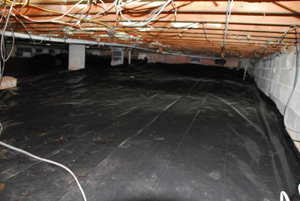
Short answer: yes, for most homes around Atlanta and Canton, GA, encapsulation pays you back in comfort, air quality, and long‑term protection. Our region’s sticky summers, clay-heavy soil, and big temperature swings create a perfect storm under the house. When you seal and condition that space with crawlspace encapsulation, you shut the door on moisture problems that drive musty smells, warped floors, and allergy flare-ups.
At Southeastern Insulation, we help homeowners in Bridgemill, Hickory Flat, Towne Lake, and River Green decide if encapsulation is the right move. You can also explore crawlspace encapsulation in atlanta to see how it fits into a whole‑home comfort plan.
Why Humidity Hits Crawl Spaces Hard Around Atlanta
North Georgia summers bring long stretches of warm, wet air. That outdoor air slips through open vents and tiny gaps, then condenses on cool ducts and framing. In neighborhoods near the Etowah River or wooded lots around Canton, wet soil and poor drainage keep the earth under your home damp after storms. Over time, that moisture migrates into subflooring and insulation.
Encapsulation breaks the cycle by creating a sealed, conditioned environment. Instead of fighting outside air and ground vapor, your crawl space becomes part of the building envelope.
What “Worth It” Looks Like For Canton, GA Homes
The value shows up in everyday life, not just on a spreadsheet:
- Floors feel steadier and more comfortable, especially over rooms with tile or hardwood.
- Fewer musty odors and a fresher-smelling first floor after summer storms.
- HVAC runs more smoothly because it is not battling wet air under the house.
- Less risk of wood rot, rusting ducts, and sagging insulation that can trigger expensive repairs.
Homeowners in areas like Laurel Canyon or Great Sky often notice a calmer, drier feel inside the home after the crawl space is sealed. That peace of mind is part of the return on investment, along with avoiding surprise structural headaches later.
Crawl Space Insulation vs Encapsulation: What Makes Sense in Canton, GA?
It helps to think of insulation and encapsulation as teammates. Insulation reduces heat flow, but by itself it does not stop outside air and ground vapor. Encapsulation seals the ground and walls with a heavy liner, blocks vents, and conditions the air. In many Atlanta-area homes, combining encapsulation with targeted insulation at the rim joist and ducts gives the best result. If you are weighing materials for other parts of your home, take a look at our service pages for options like closed cell foam.
Important: insulating a wet, vented crawl space can trap moisture against wood and ducts. Encapsulation addresses the moisture pathway first so insulation can do its job.
How Encapsulation Controls Humidity Under the House
A professional encapsulation typically includes a sealed vapor barrier across the floor and walls, vent and gap sealing, and conditioned air or a dehumidifier to manage moisture. When paired with proper drainage outside and clean gutters, the system creates a steady, dry environment that protects the structure from the bottom up.
Want a quick overview of the benefits? This post from our team breaks it down in plain language: 7 benefits of crawlspace encapsulation.
ROI: Where the Payback Comes From
Every house is different, but homeowners typically see value in a few predictable places:
- Fewer moisture-related repairs. Dry framing, subflooring, and ducts last longer.
- Healthier indoor air. Less mold potential and fewer musty odors migrating up from below.
- More consistent comfort. Floors feel warmer in winter and the first floor is less clammy in summer.
- Resale confidence. Buyers appreciate a clean, sealed crawl space during inspection.
In short, encapsulation doesn’t just solve a problem you can smell. It protects what you cannot see: joists, sills, ductwork, and wiring. That hidden protection is a big part of the return.
When Crawlspace Encapsulation Is Especially Worth It
Encapsulation tends to deliver strong results if your home has any of these conditions:
Persistent musty odor on the first floor, even after cleaning and replacing filters. Moisture often begins below your feet, not in the living room.
Visible condensation on ductwork or the subfloor during summer. Moist air is finding cold surfaces and leaving water behind.
Cold, bouncy, or uneven floors in winter. Air leaks and damp insulation often go hand in hand.
Recent repairs for pests, mold treatment, or duct leaks. Sealing the crawl space helps those fixes last.
Humidity Control Under the House in Georgia
Georgia homes need a moisture strategy that works year‑round. That usually means:
Seal first. Close vents, seams, and access points so outdoor air and ground vapor cannot sneak in.
Then condition the space. A properly sized dehumidifier or controlled air from the HVAC keeps moisture in a safe range. This prevents condensation on metal and wood and keeps flooring materials stable over time.
Finally, maintain drainage. Clear gutters, correct downspout extensions, and grade soil so water flows away from the foundation. Sealing the crawl space is powerful, but water management outside still matters.
Common Concerns We Hear From Atlanta-Area Homeowners
“Will my house feel different?” Yes. Many homeowners report that the first floor feels drier and smells fresher within days of sealing, especially in ranch homes and split levels.
“Do I need to open vents again in winter?” No. Vents are usually sealed permanently as part of the system. The goal is a closed, controlled space year‑round.
“Isn’t a heavy plastic liner enough?” A liner is essential, but the whole system must work together: sealed seams, airtight edges and piers, and conditioned air. Skipping steps weakens the result.
How To Maximize Your Crawl Space ROI
Choose a system, not just a material. The best results come from a package that includes sealing, a durable liner, and reliable moisture control. Ask how each part keeps the space dry through summer storms and winter cold snaps.
Review the details. Look for continuous sealing at walls and piers, taped seams, and a tight crawl door. Small misses today can become big moisture paths tomorrow.
Think whole home. If you are upgrading insulation in the attic or walls, plan the crawl space at the same time so air, heat, and moisture work together. Our team can coordinate solutions across your home so ductwork and rim joists are protected along with the crawl space.
If you want a deeper look at the process and materials, start with our crawlspace encapsulation page for a step‑by‑step overview you can review before an on‑site evaluation.
Crawl Space Insulation vs Encapsulation: A Quick Side‑By‑Side
Here is a simple way to decide where to start:
- If the crawl space smells musty, shows condensation, or has pest activity, encapsulation comes first to control air and moisture.
- If you have drafty floors but the crawl space is dry and sealed, targeted insulation upgrades at the rim joist or ducts may be the next best move.
- If you are remodeling, plan both together so the building envelope is continuous from top to bottom.
During your consultation, we will walk the space together, check current conditions, and explain which sequence makes the most sense for your home.
Local Context: Canton, GA Neighborhoods And Seasons
In Towne Lake and near downtown Woodstock, homes built on sloped lots can collect runoff at the foundation after heavy summer rains. Along the Etowah basin and areas near floodplains, morning ground fog is a clue that the soil under homes stays damp longer. Winter cold snaps are brief, but they still make subfloors and ducts cool enough for summer air to condense later in the year. Encapsulation helps your home ride out these seasonal swings with fewer surprises.
Ready To See If It’s Worth It For Your Home?
Most Canton and North Metro Atlanta homes benefit from a sealed, conditioned crawl space. If you are weighing the decision, start with a professional inspection and a clear plan that addresses sealing, moisture control, and long‑term maintenance.

















Comments