



Open-Cell vs Closed-Cell Spray Foam: Which Is Right for Your Georgia Home?

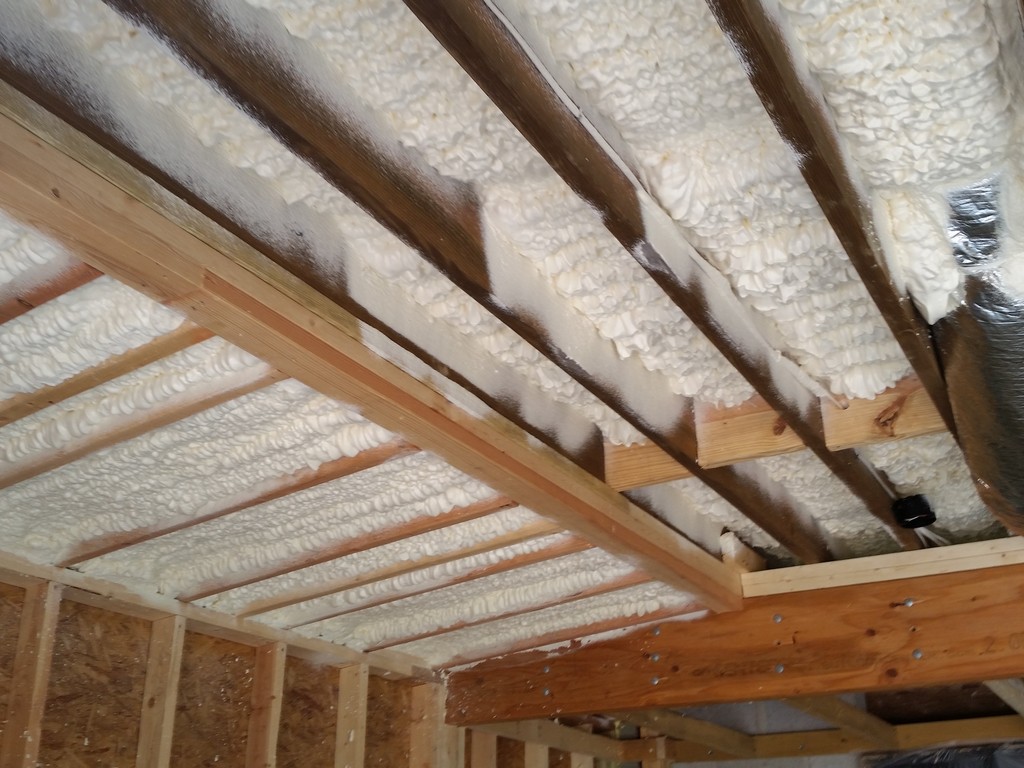
If you are choosing between open-cell and closed-cell spray foam in Atlanta, you are already on the right track. Both options can boost comfort, cut drafts, and help your HVAC work less in our hot, humid summers and mild winters. This guide compares the differences so you can match the foam type to each area of your home and how you live.
For quick reference on the two options, you can learn more about open-cell foam and closed-cell foam on our service pages as you read.
What’s The Real Difference Between Open-Cell And Closed-Cell?
Open-cell foam has tiny cells that are not fully sealed. That makes the material softer and great at expanding to fill odd shapes. Closed-cell foam has tightly packed cells that cure into a rigid layer with higher insulation per inch and lower vapor permeance.
- open-cell: typically lower R-value per inch, strong expansion, very good for sound absorption.
- closed-cell: higher R-value per inch, resists moisture better, adds a firm layer that helps stiffen assemblies.
In plain terms, open-cell is like a plush jacket that breathes while sealing air leaks. Closed-cell is like a raincoat that also insulates very well in a thin layer.
How Atlanta’s Climate Affects Your Choice
Atlanta summers bring long stretches of heat and humidity. Afternoon storms and high dew points push moisture toward your home. Winters are mild, yet cold snaps still arrive. The foam you choose should manage air, heat, and moisture together.
open-cell foam shines in interior spaces where depth is available, and humidity exposure is low. Closed-cell foam is a smart pick in areas where you want more R per inch, stronger moisture control, or a harder, more durable surface.
R-Value And Performance: What Homeowners Should Know
R-value measures resistance to heat flow. Closed-cell delivers more R per inch than open-cell, which helps when space is tight. open-cell can still reach a strong overall performance because it expands and seals gaps well across deeper cavities.
Real results in your home also depend on air sealing, consistent coverage, and where the foam is installed. That is why professional installation matters so much in older neighborhoods like Grant Park, Virginia-Highland, and Midtown, where cavities and rooflines vary.
Room-By-Room Recommendations For Atlanta Homes
Every home is different, but here is a simple way to think about placement around Atlanta and nearby suburbs like Decatur, Sandy Springs, and Marietta.
- Attic roofline: open-cell is common for depth and sound control; closed-cell is helpful when you want higher R per inch or added moisture resistance at the roof deck.
- Exterior walls: closed-cell can be useful where space is limited, or you want a stiffer, lower-permeance layer.
- Interior walls: open-cell helps reduce noise between rooms, home offices, and nurseries.
- Rim joists and band joists: closed-cell often provides a tight seal against outside air and seasonal humidity.
- Crawl spaces: closed-cell on foundation walls helps manage ground moisture and creates a durable surface.
Moisture And Vapor Control In Humid Weather
Moisture rides on air. When humid outdoor air slips into cool spaces, condensation can form. Closed-cell’s lower vapor permeance can slow that movement, especially in crawl spaces and rim areas. Open-cell controls air leaks very well, yet allows more vapor movement, which may be fine in many interior applications when paired with proper building design.
Tip: focus first on where air and moisture actually move in your home, not just on thickness. The right foam in the right place keeps materials dry and comfortable.
Sound, Comfort, And Everyday Living
Live near busy corridors like I-285 or GA 400? open-cell’s spongy structure can soften traffic noise, footsteps, and airborne sound between rooms. Many families notice quieter bedrooms and home offices after upgrading interior walls or rooflines.
Closed-cell still helps with noise by sealing air leaks, but its dense structure is not designed for acoustic absorption like open-cell. If a quieter home is a top goal, plan to use open-cell where sound matters most.
Depth, Space, And Aesthetics
When you do not have much room for insulation, closed-cell gives you more R in less space. That can matter in tight exterior walls or where you want a slimmer assembly. Open-cell takes up more space for the same R, which is fine in attics and larger cavities where depth is not a problem.
Good to know: more foam is not always better. What you want is the right thickness, uniform coverage, and proper transitions at edges, penetrations, and framing.
Where Each Foam Type Fits Best In Atlanta
Use this quick guide to match foam to locations throughout the house:
- open-cell: vaulted ceilings, attic rooflines, interior walls, bonus rooms over garages with generous cavity depth.
- closed-cell: crawl space walls, rim joists, exterior walls with limited depth, areas that may see seasonal condensation.
Want a deeper dive on the comparison? Read our short article on the difference between open and closed-cell foam to see how the materials behave in real homes.
Selecting By Goals: Comfort, Air, Moisture, And Noise
Start with your top goals. If you want a quieter primary suite or a calmer nursery, open-cell is appealing. If you want more R per inch and stronger moisture control, especially near the ground or outside air, closed-cell is the likely choice.
Many Atlanta homes benefit from a mix. You might use open-cell at the roofline for comfort and quiet, then closed-cell along the crawl space or rim joists for moisture control and a tougher surface.
Local Examples Around Atlanta
In a classic bungalow in Candler Park, open-cell at the roofline can help tame summer attic heat and street noise. In a townhome near Buckhead, where wall cavities are shallow, closed-cell can deliver the R you need without using much space. In a ranch with a damp crawl space in Decatur, closed-cell insulation on the foundation walls can help reduce indoor humidity.
Homeowner reminder: insulation is part of a system. Air sealing, attic ventilation strategy for your assembly type, and proper drainage around the home all work together for the best results.
Energy And Comfort Checks You Can Feel
After installation, most homeowners feel steadier temperatures and fewer hot spots. Doors and windows often draft less because framing leaks are sealed. Ceiling fans can run at lower speeds, and rooms stay more even from morning to night, even in a July heat wave.
To learn how insulation affects heat transfer across seasons, this quick primer on how insulation works in an Atlanta home is a helpful read.
Pairing Foam With A Healthier Crawl Space
Crawl spaces are common across the metro area. If yours smells musty or feels damp, address that zone before upstairs comfort improves. Closed-cell foam on the foundation walls creates a durable, lower-permeance layer that pairs well with vapor protection and humidity control.
For a whole-home fix, see how crawlspace encapsulation can reduce moisture loads and protect your main living areas from below.
When open-cell Is The Better Fit
Choose open-cell when sound absorption matters, you have plenty of depth, or you want an air seal that adapts to complex framing. Attic rooflines, bonus rooms, and interior partitions are common wins. You will often notice rooms become quieter and more consistent in temperature after the upgrade.
Curious if open-cell matches your goals? Explore our overview of open-cell foam for Atlanta projects to see typical applications and next steps.
When Closed-Cell Shines
closed-cell excels when you want more insulation in less thickness, stronger moisture control, or a tougher surface. That is why it is often recommended in crawl spaces, rim joists, and tight exterior walls. Many homeowners also choose it for roof decks, where space is limited and added rigidity is a plus.
Safety note: Every foam project should be installed by trained pros who follow manufacturer guidance and jobsite ventilation practices. Proper installation protects your home and helps the foam perform as intended.
Get Local, Expert Guidance For Your Home
Still weighing open-cell vs closed-cell spray foam insulation in Atlanta? Our team at Southeastern Insulation looks at your goals, your home’s design, and the way you use each room. We recommend a plan that balances comfort, moisture control, and sound, without overdoing material where it is not needed.
Ready To Get Started?
The right choice becomes simple once we see your home. Call us at 678-561-3626 to schedule an evaluation. If you are leaning toward a higher R per inch or moisture control, learn how our closed-cell foam solutions fit Atlanta homes, from crawl spaces to exterior walls.

















Comments